
Article: The Ultimate Home Gym Equipment Guide: Building a Workout Space You'll Actually Use
The Ultimate Home Gym Equipment Guide: Building a Workout Space You'll Actually Use
The Ultimate Home Gym Equipment Guide: Building a Workout Space You'll Actually Use
Setting up a home gym sounds simple until you're staring at a blank room wondering what actually belongs in it. Buy the wrong pieces and you end up with a corner full of dust-collecting dumbbells. Buy the right ones, and you've got a setup that supports real strength, cardio, and conditioning progress for years.
This guide breaks down the home gym equipment that matters most, organized by training goal, so you can build a space that fits your routine instead of forcing your routine to fit your space.
Start With a Strength Training Foundation
Strength training is the backbone of almost every home gym, and it doesn't require a warehouse of machines to be effective.
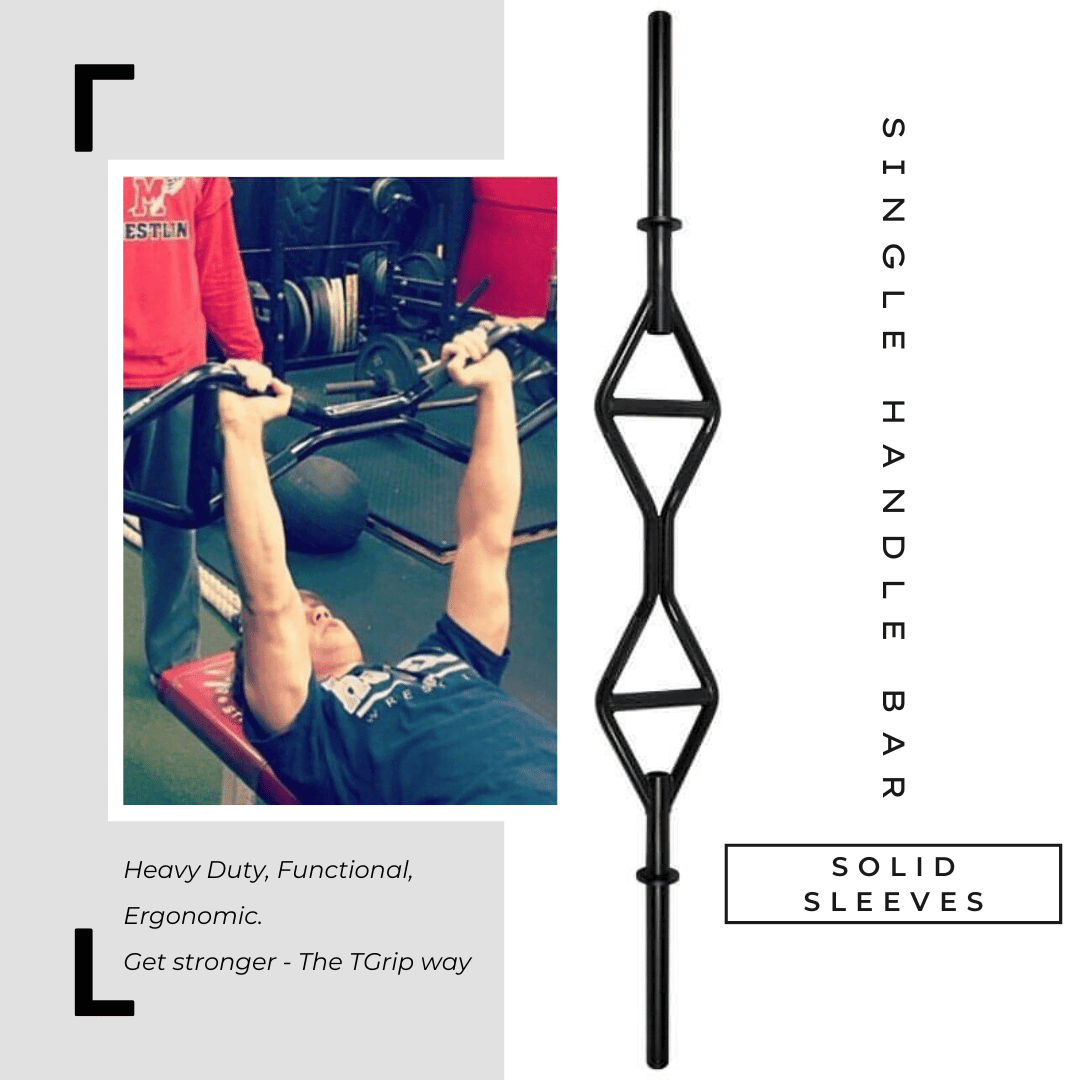
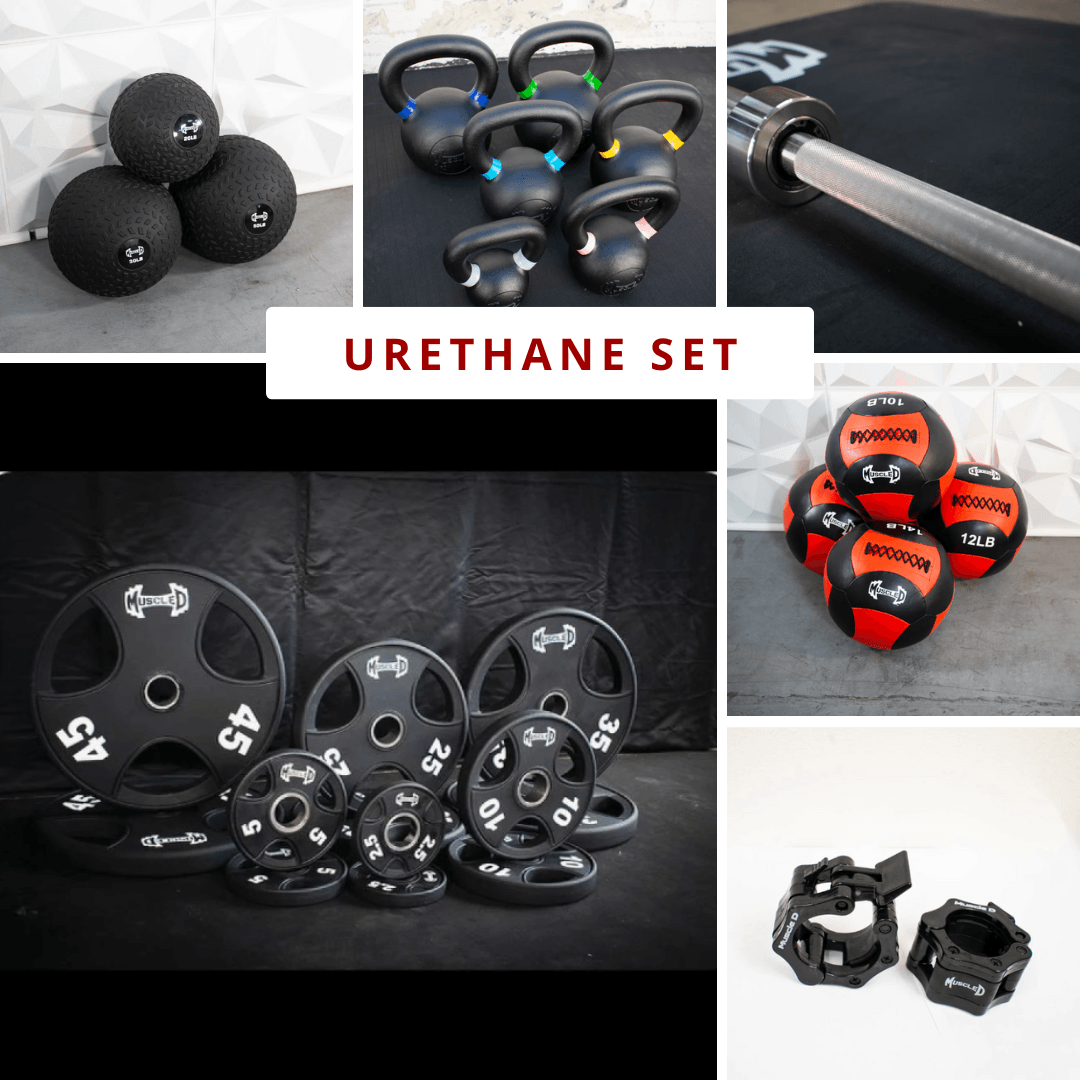
Barbells and plates are the highest-value purchase you can make. A solid Olympic barbell paired with bumper plates covers squats, deadlifts, presses, and rows the lifts that build the most strength per dollar spent. If you're training for powerlifting specifically, a specialty bar (safety squat bar, trap bar) can add variety and reduce joint strain.
Dumbbells and kettlebells fill in the gaps barbells can't. They're better for unilateral work, accessory lifts, and conditioning circuits, and they take up far less floor space. Adjustable dumbbell sets are worth the investment if your home gym has limited room.
A squat rack or functional trainer is the piece that ties everything together. It's what lets you safely load a barbell for squats and bench press without a spotter, and many racks now double as pull-up stations and cable attachment points.
Benches round out the strength setup. A flat-to-incline adjustable bench expands your exercise options far more than a fixed one.
Add Cardio Without Sacrificing Space
Cardio equipment is often where home gym budgets get wasted on machines that don't match the user's actual training style. Match the bike to the goal:
- Upright bikes suit general fitness and steady-state cardio in a compact footprint.
- Recumbent bikes are easier on the lower back and joints, good for longer sessions or rehab.
- Indoor cycling bikes replicate a studio-style ride for high-intensity interval training.
- Air bikes add a brutal full-body conditioning option that scales resistance with effort, making them a favorite for short, intense finishers.
If space is tight, one well-chosen bike will get more use than two mismatched ones.
Round It Out With Functional Training Tools
Functional training equipment is what separates a basic weight room from a true performance gym. These tools build conditioning, power, and movement quality that barbells alone don't fully address.
Battle ropes are one of the most space-efficient conditioning tools available anchor one end, and you've got a full-body, joint-friendly cardio option that also builds grip and shoulder endurance.
Sleds are excellent for athletes and anyone training for explosive power, since pushing or dragging weight builds leg drive without the eccentric loading that causes most muscle soreness.
Tires and workout stations add variety for circuit-style training, useful if your programming leans toward CrossFit-style or athletic conditioning work.
Medicine balls and bands are inexpensive but versatile, covering everything from rotational power work to mobility and warm-up routines.
How to Prioritize When Budget Is Limited
Most people building a home gym don't buy everything at once, and they shouldn't. A practical order of priority looks like this:
- Barbell, plates, and a basic bench
- A squat rack or functional trainer for safety and versatility
- A pair of adjustable dumbbells or a kettlebell set
- One cardio piece matched to your actual training style
- Functional training add-ons (battle ropes, bands) once the foundation is in place
Buying in this order means every purchase immediately expands what you can do, rather than duplicating capability you already have.
Don't Overlook Storage
Storage and stands rarely make anyone's wish list, but they're what keep a home gym organized and safe. Plate trees, dumbbell racks, and band storage prevent tripping hazards and protect your floor and equipment from unnecessary wear especially important in shared spaces like garages or basements.
Final Thoughts
A great home gym isn't the one with the most equipment it's the one built around how you actually train. Start with a strength foundation, add one cardio option that matches your goals, and layer in functional training tools as your routine evolves. Whether you're outfitting a single garage corner or building out a full home or commercial facility, choosing equipment with intention will save you money and keep you training consistently for the long run.
Ready to start building? Browse weight training equipment, exercise bikes, and functional training gear at Shop Athlete Gear to find pieces built for serious, long-term use.