
Weight Training Equipment 101: What You Actually Need to Build Strength
Weight Training Equipment 101: What You Actually Need to Build Strength
Walk into any gym supply store or scroll through an online catalog and the sheer volume of weight training equipment can be overwhelming. Plate loaded machines, specialty bars, racks, attachments it's easy to spend money on gear that looks impressive but barely gets used.
The truth is that effective strength training relies on a small set of core tools used consistently, not a room full of equipment. Here's what actually matters, and how to prioritize it.
Barbells: The Centerpiece of Any Strength Program
A barbell is the single most versatile piece of weight training equipment you can own. It's the tool behind squats, deadlifts, bench presses, rows, and overhead presses — the compound lifts that build the most strength and muscle per session.
Not all barbells are built the same:
- Olympic and powerlifting bars are the standard choice for general strength training, balancing whip, knurling, and load capacity.
- Technique and safety bars are lighter and ideal for beginners or warm-up sets where bar speed and form matter more than load.
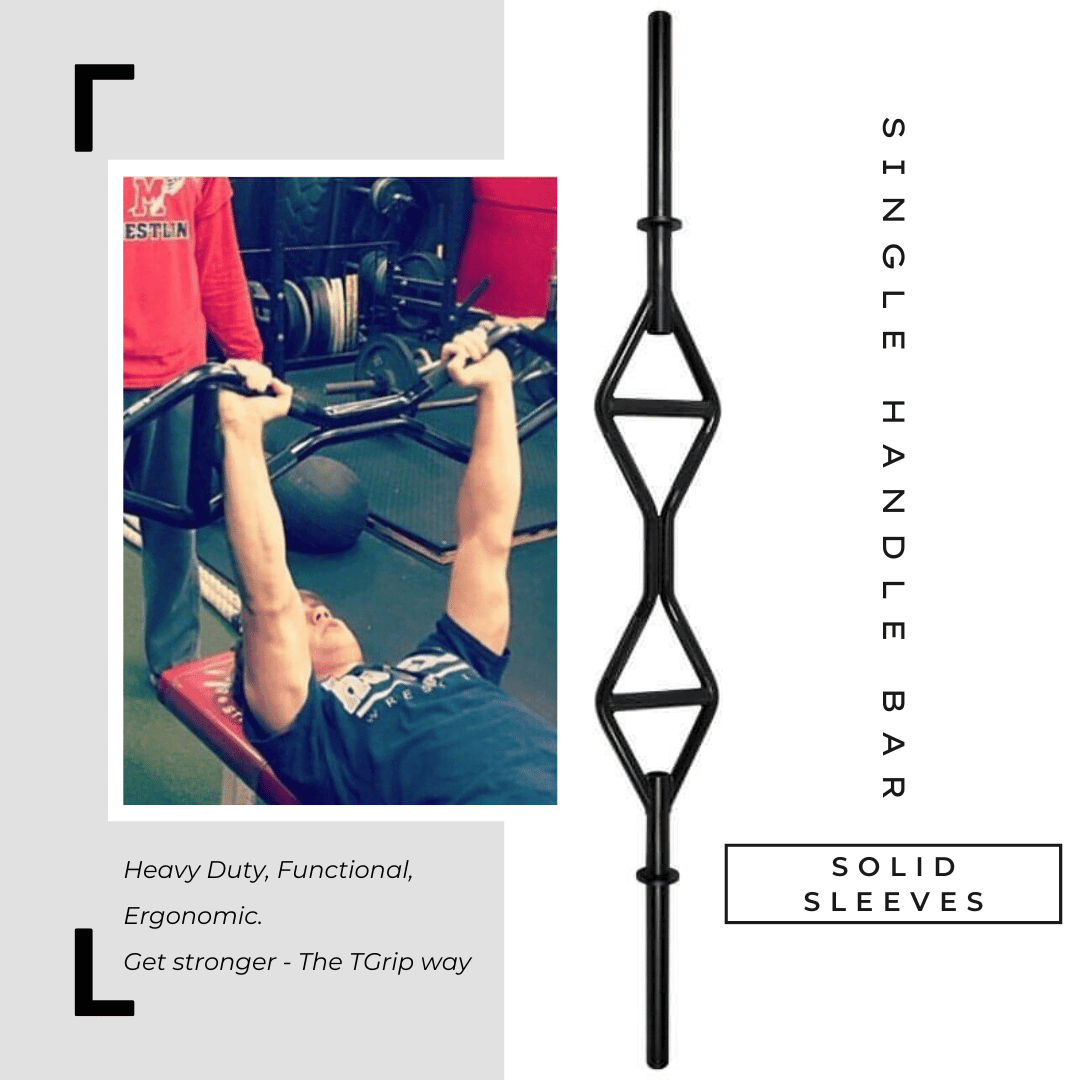
- Specialty bars like trap bars and safety squat bars reduce joint stress and are useful for lifters managing injuries or looking to vary their training stimulus.
- Fixed barbells and barbell sets suit commercial settings or home gyms where quick-grab, pre-loaded options speed up group training.
Plates: Bumper vs. Standard
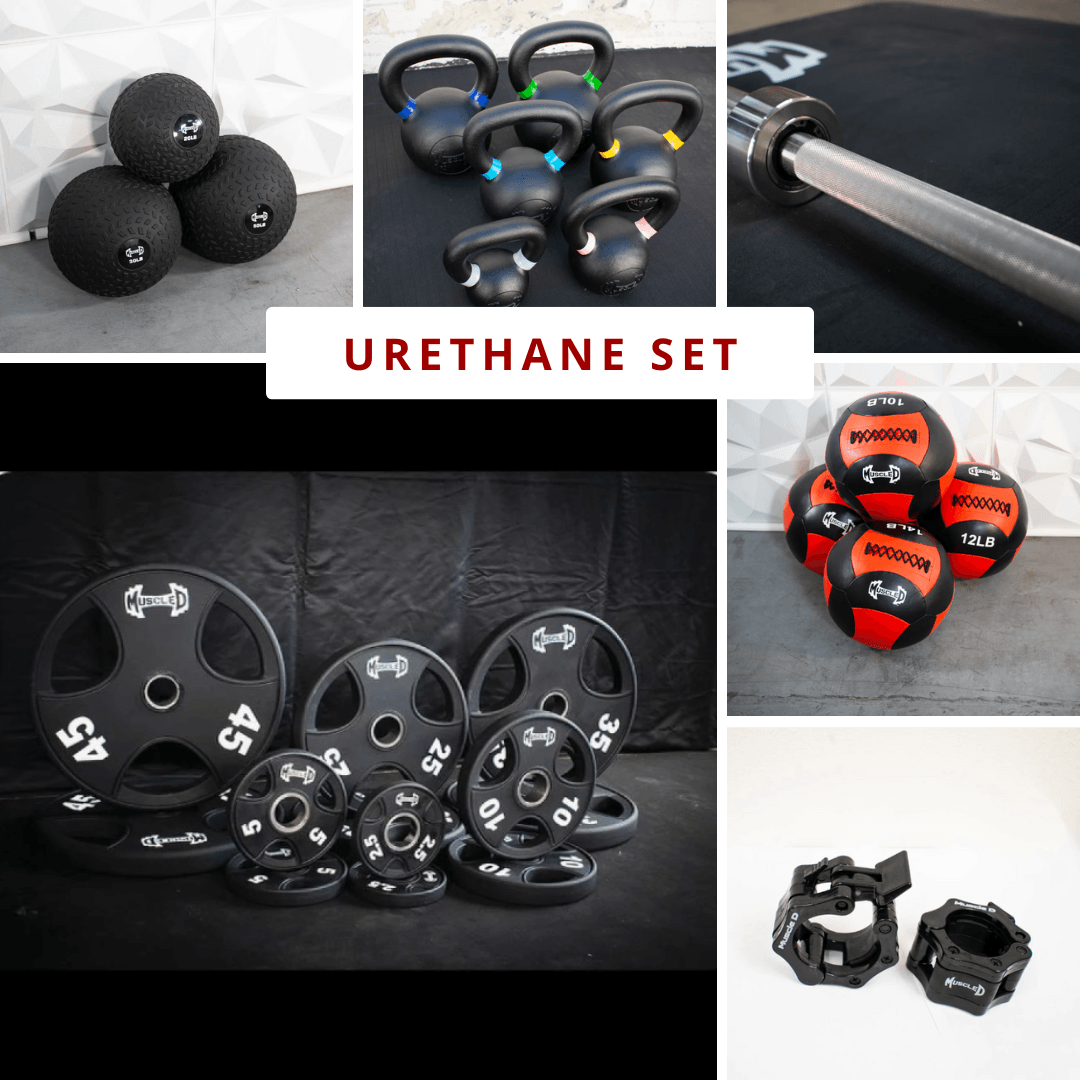
Once you have a bar, you need something to load it with. Bumper plates have become the standard for most home and commercial gyms because they're rubber-coated and safe to drop, which matters for Olympic lifts, deadlifts, and high-rep training. Standard iron plates are still common in strength-focused setups where dropping weight isn't part of the program. Either way, plates are a long-term investment — they don't wear out, so it's worth buying a set that can grow with your strength rather than needing replacement.
Dumbbells and Kettlebells: Filling the Gaps
Barbells are excellent for bilateral, heavy compound lifts, but dumbbells and kettlebells cover what barbells can't:
- Unilateral training to correct strength imbalances between sides of the body
- Accessory and isolation work like lateral raises, curls, and rear delt exercises
- Conditioning and circuit training, especially with kettlebells, which combine load with dynamic movement
A solid dumbbell range (or an adjustable set) paired with a few kettlebells covers the vast majority of accessory training needs without requiring a full rack of fixed weights.
Racks and Functional Trainers: Training Safely Alone
A squat rack or functional trainer is what makes loaded barbell training safe without a spotter. It allows you to set safety pins for squats and bench press, and many modern racks double as pull-up stations or attachment points for cable work. This is typically the highest-cost item in a weight training setup, but it's also the piece that unlocks safe, heavy training — which is the entire point of investing in equipment in the first place.
Benches and Attachments
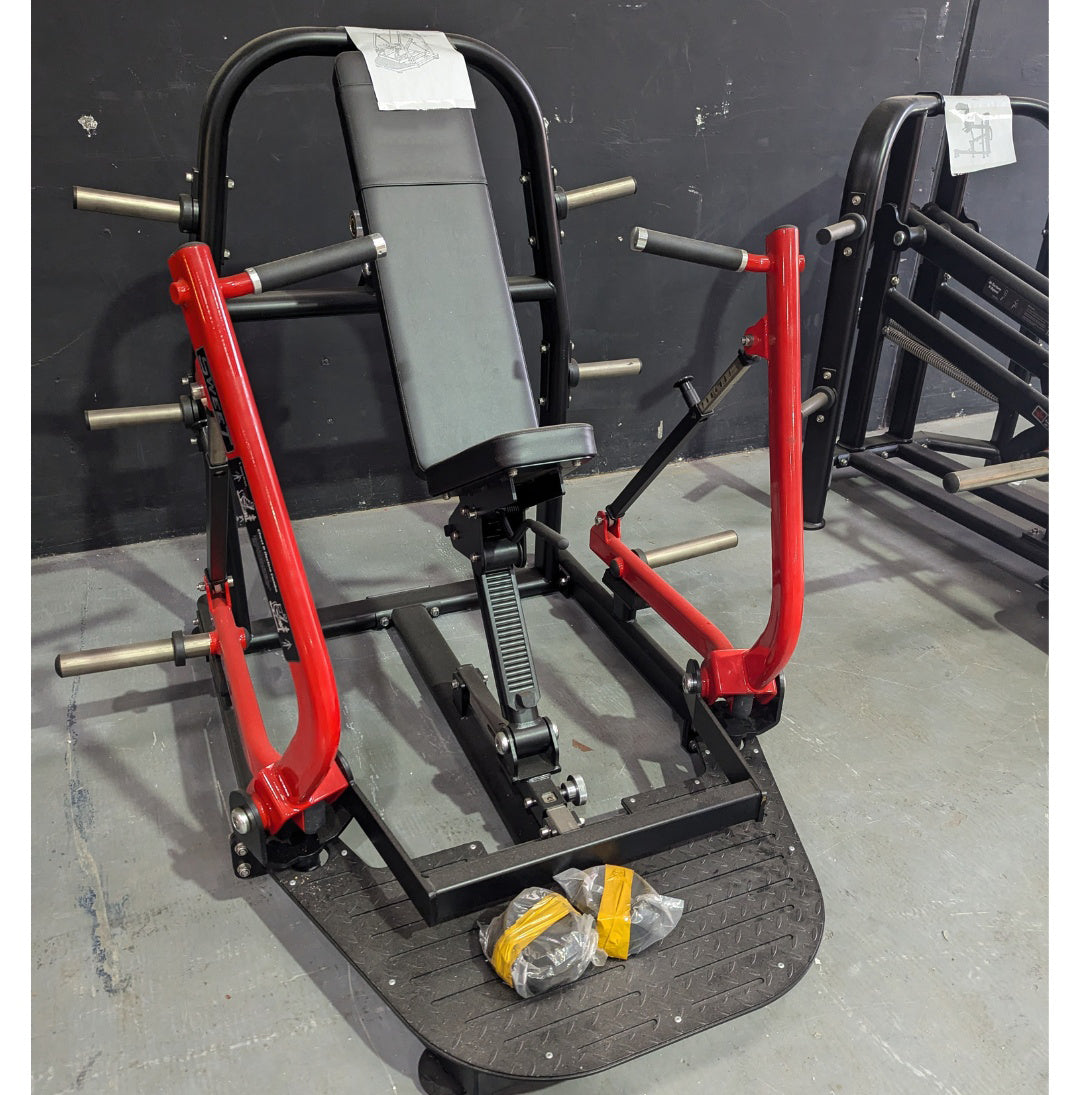
A flat-to-incline adjustable bench dramatically increases the number of exercises available from a single piece of equipment, covering flat, incline, and decline pressing variations along with seated accessory work. Attachments — dip bars, landmine units, leg developers — extend a rack's functionality further, letting you add capability without buying entirely new machines.
Storage and Stands: The Overlooked Essential
Plate trees, dumbbell racks, and barbell storage aren't exciting purchases, but they protect your investment. Properly stored plates and bars last longer, and organized storage reduces tripping hazards in home gyms and high-traffic commercial facilities alike.
A Practical Buying Order
If you're building a weight training setup from scratch, this order gets you training effectively at every stage:
- Barbell + a starter set of plates
- Adjustable bench
- Squat rack or functional trainer
- Dumbbells or kettlebells for accessory work
- Additional plates, attachments, and storage as the program demands
Each step in this order adds new training capability rather than duplicating what you already have, which keeps your budget focused on progress instead of clutter.
Final Thoughts
Effective weight training equipment doesn't mean owning everything available it means owning the right foundation and using it consistently. A barbell, a solid plate set, a rack, and a bench will carry most lifters further than a room full of specialty machines ever could.
Whether you're setting up a home gym or outfitting a full commercial facility, browse the full range of weight training equipment from barbells and bumper plates to racks and storage at Shop Athlete Gear.